The Deck
The Deck
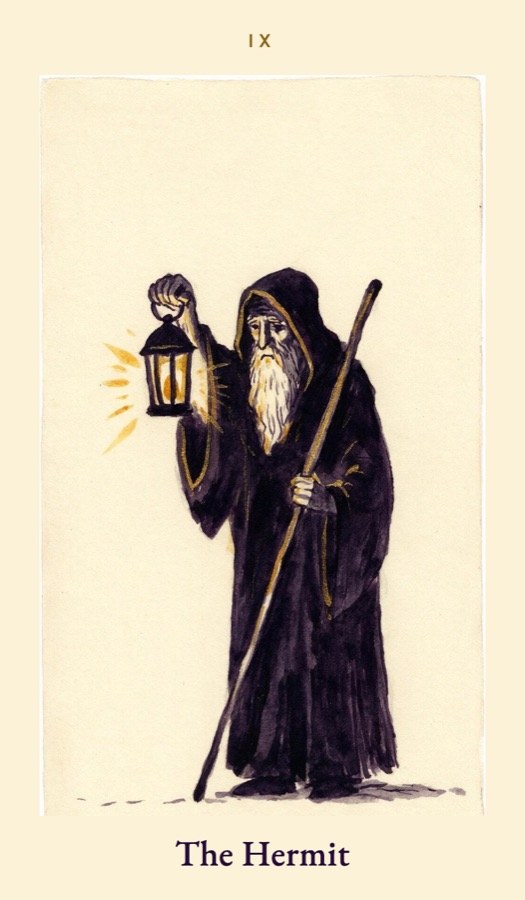
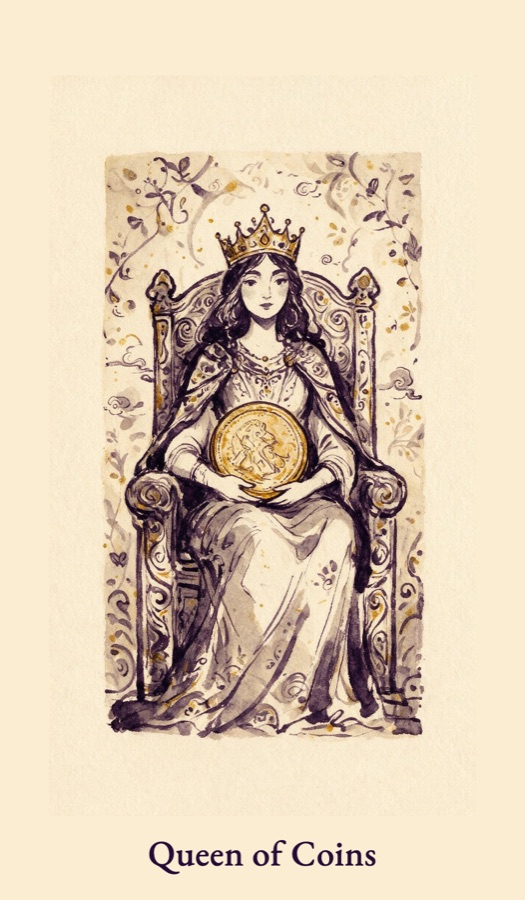
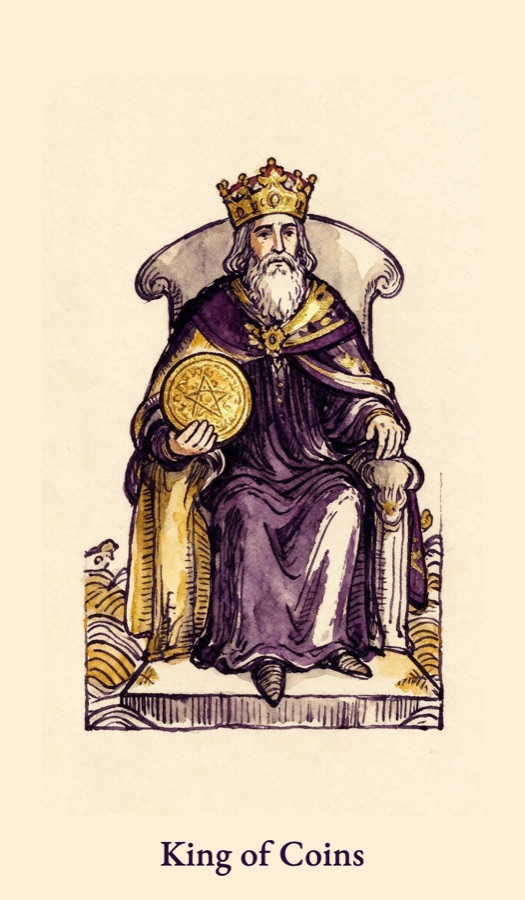
A 38-card deck — the twenty-two trumps and the sixteen court cards — drawn in the same ink-and-watercolour hand as the rest of this site. Every card carries the earliest attested form of its image and the date it took that form. No Egypt, no Book of Thoth, no lost priesthood — because the true history is documented, stranger, and more useful than the invented one.
Why a deck at all
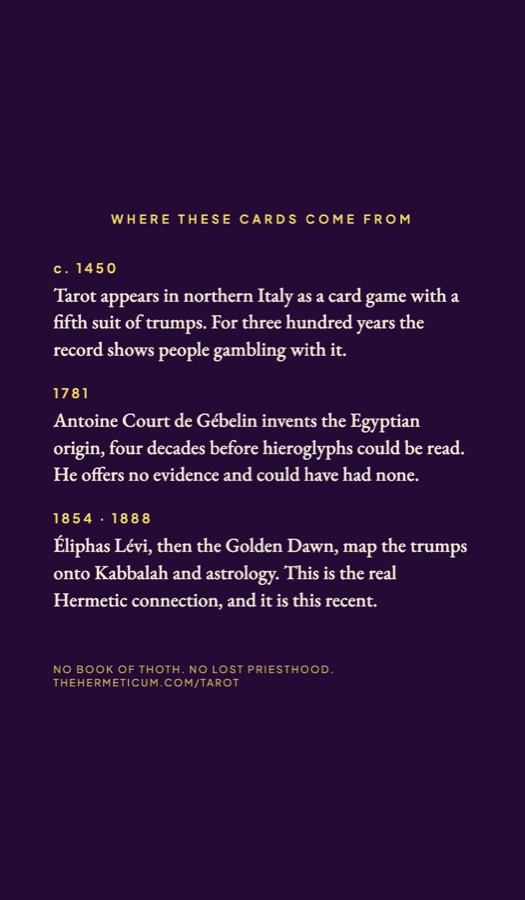
Tarot is the most misrepresented object in this entire tradition, and also one of the most durable. It is a fifteenth-century northern Italian card game that acquired an Egyptian pedigree in 1781 from a Swiss pastor who could not read hieroglyphs, and a Hermetic one in the nineteenth century from Éliphas Lévi and, after him, the Golden Dawn. Every one of those layers is documented. None of them is ancient.
Which leaves an opening nobody has taken. Every deck on the market either repeats the Egyptian story or says nothing at all about where its images come from. We are making the one that tells you.
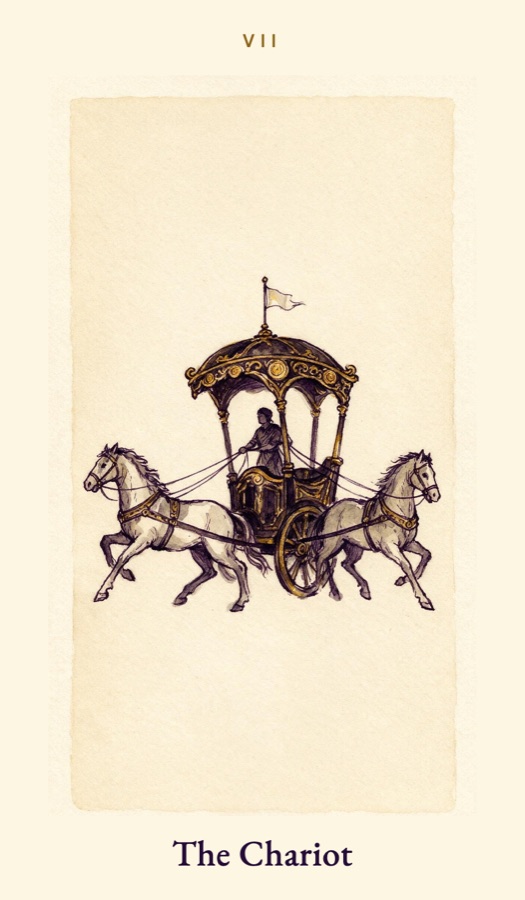
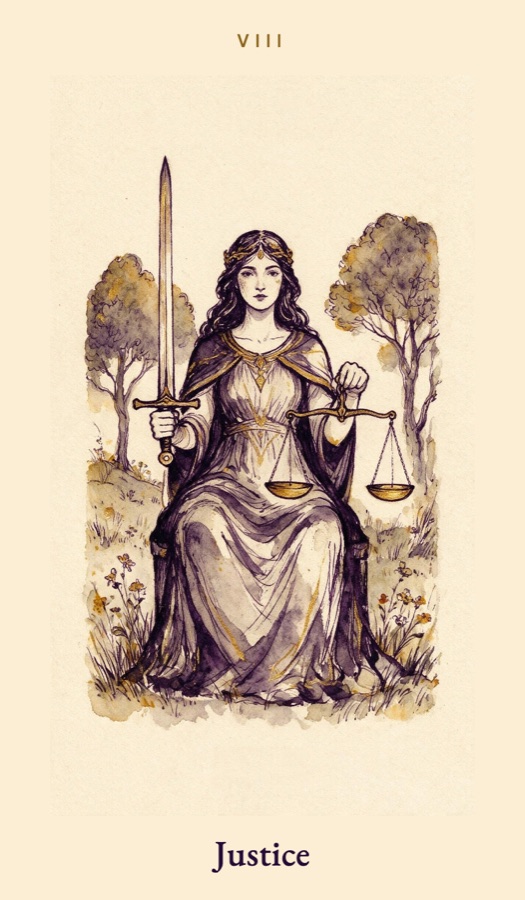
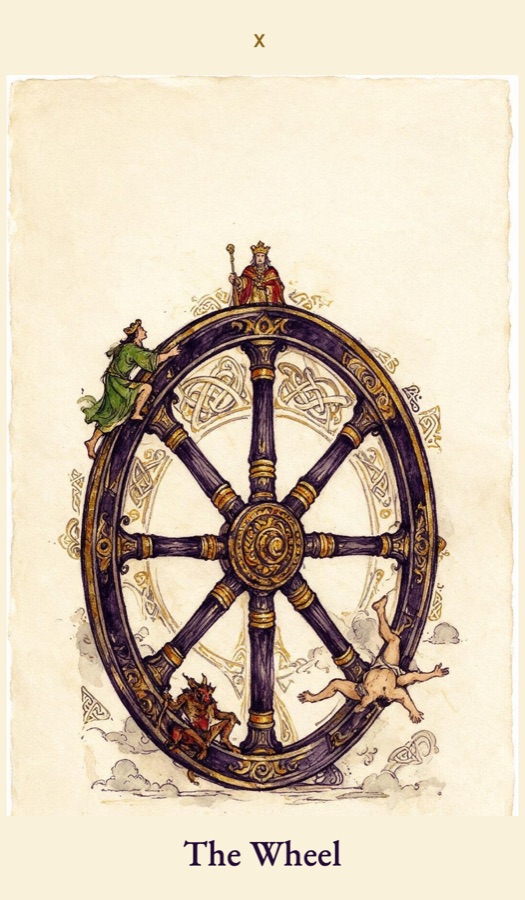
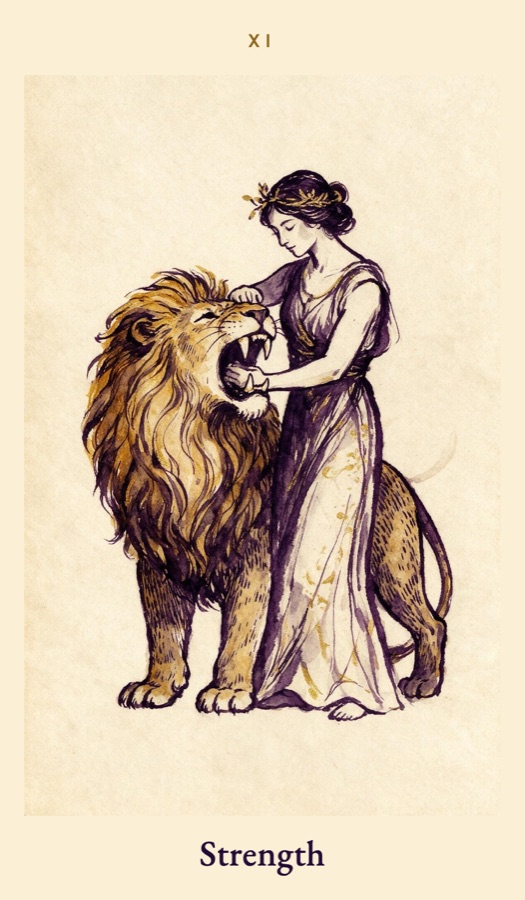
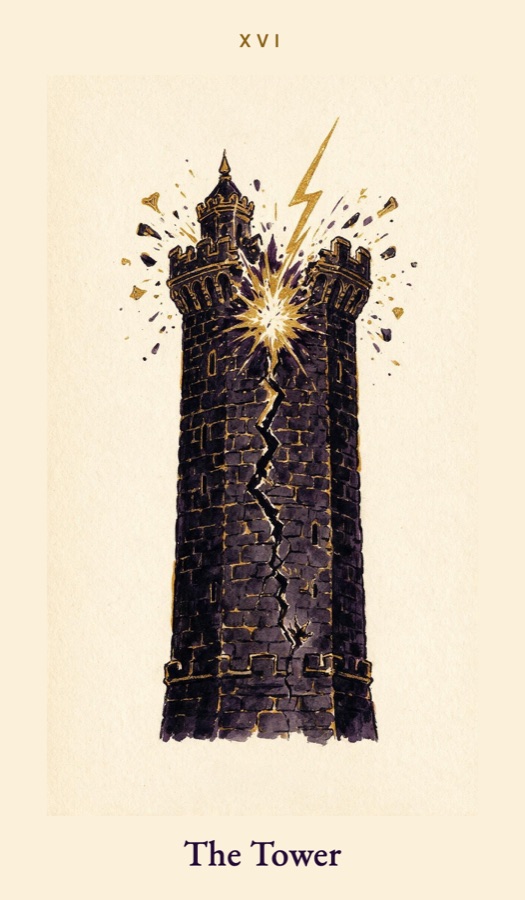
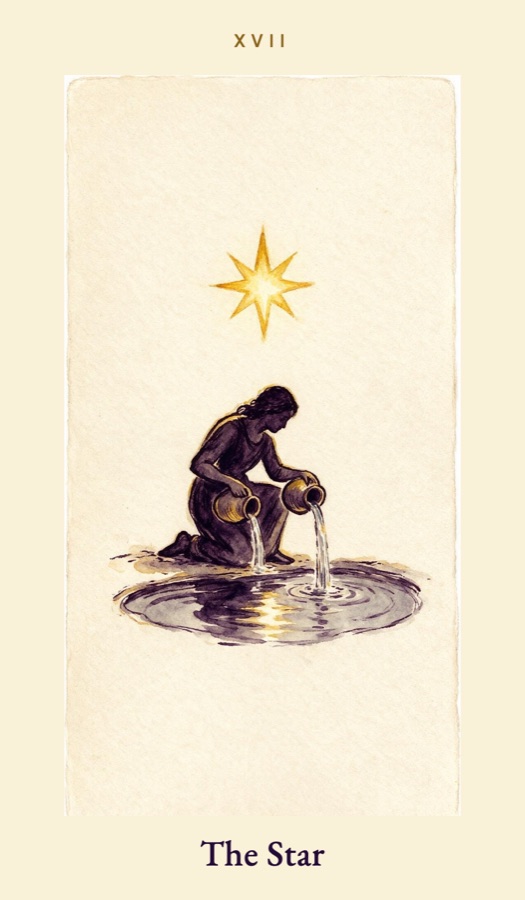
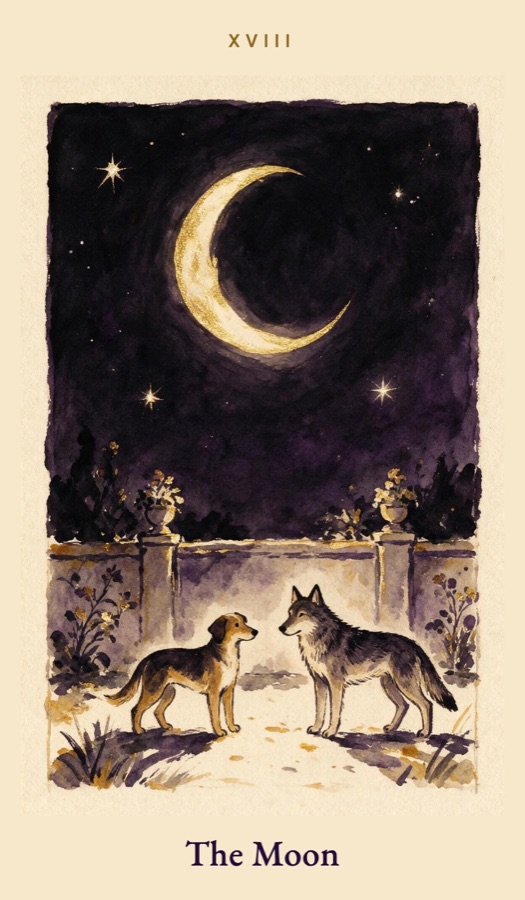
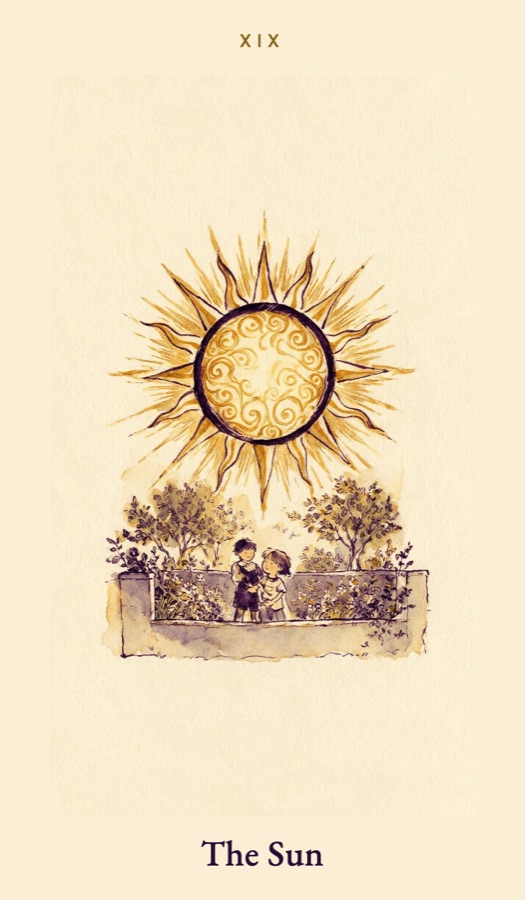
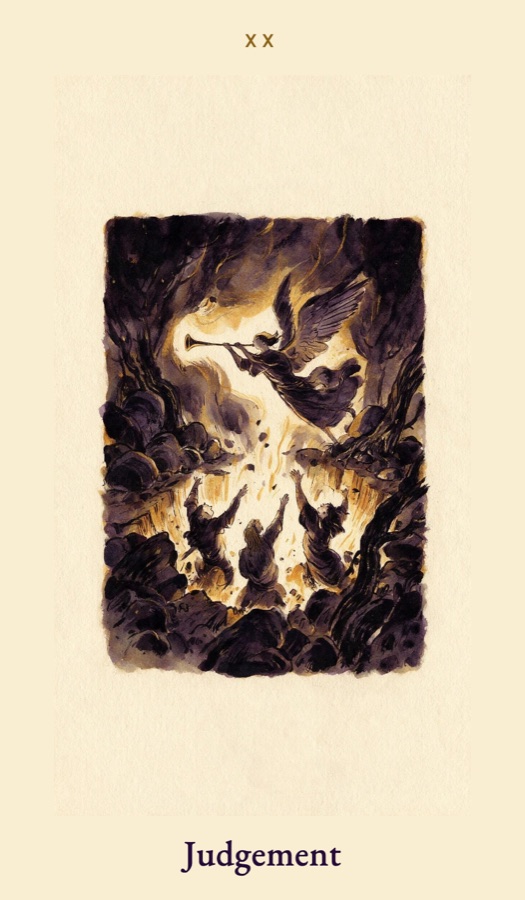
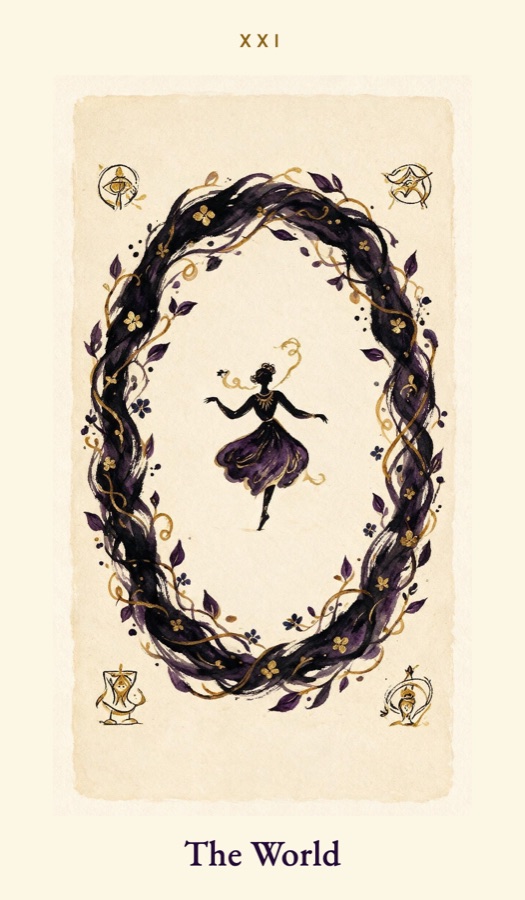
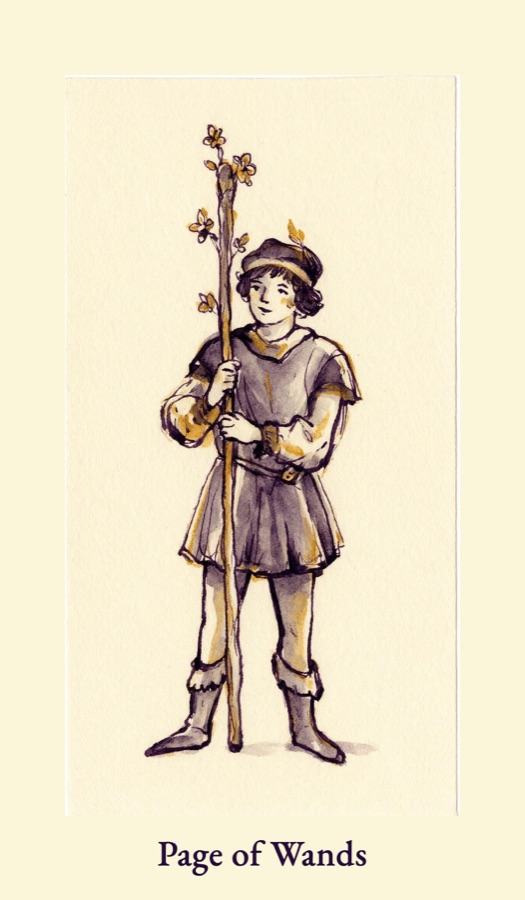
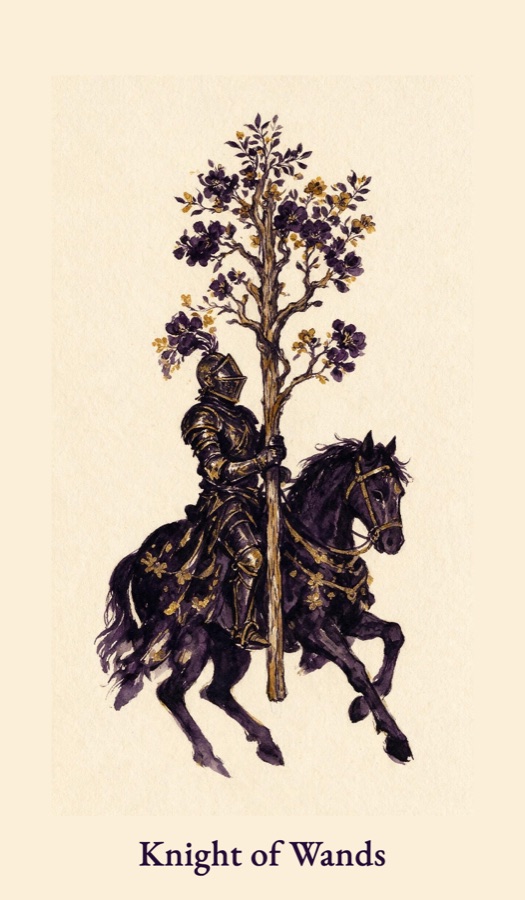
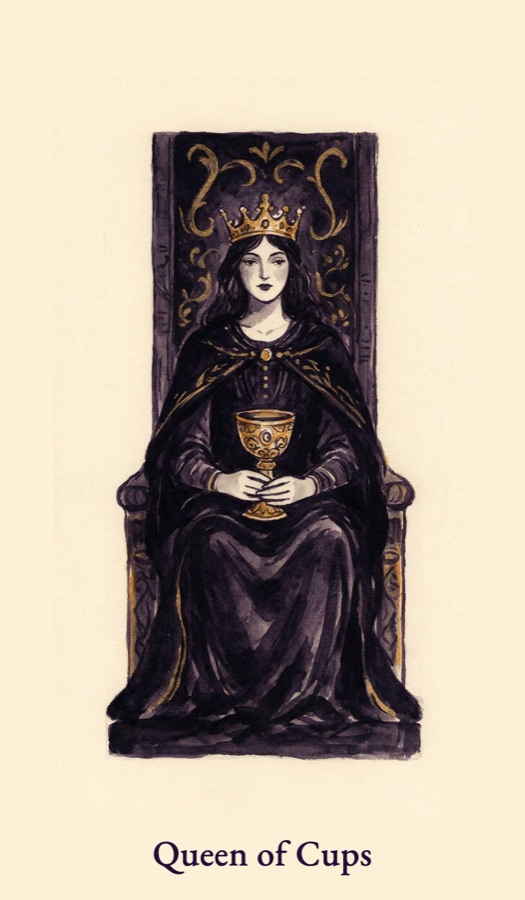
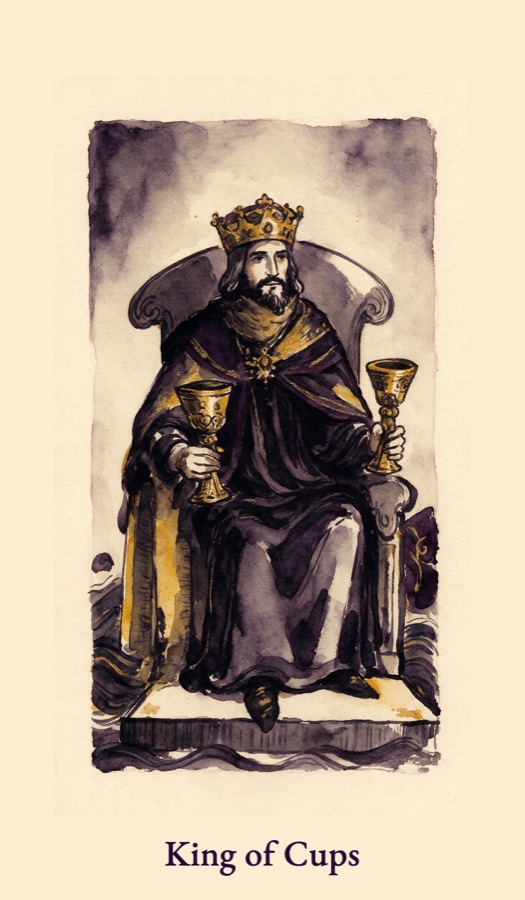
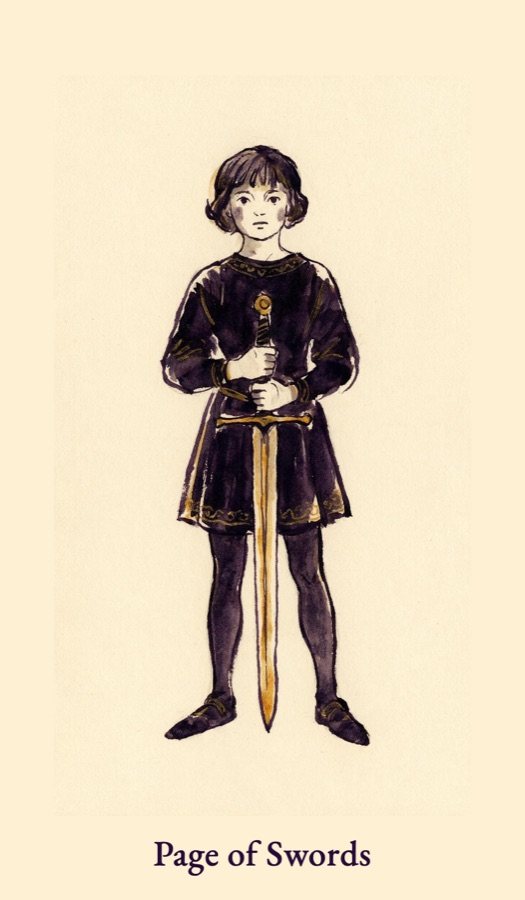
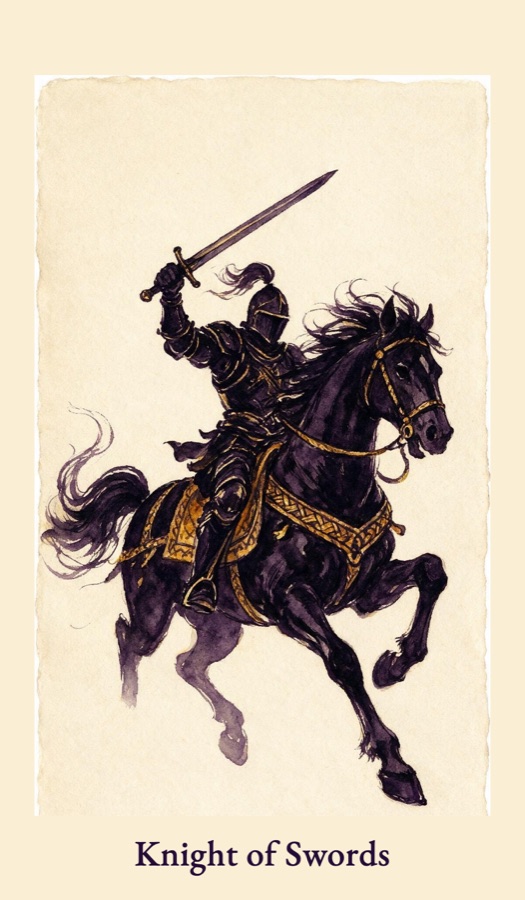
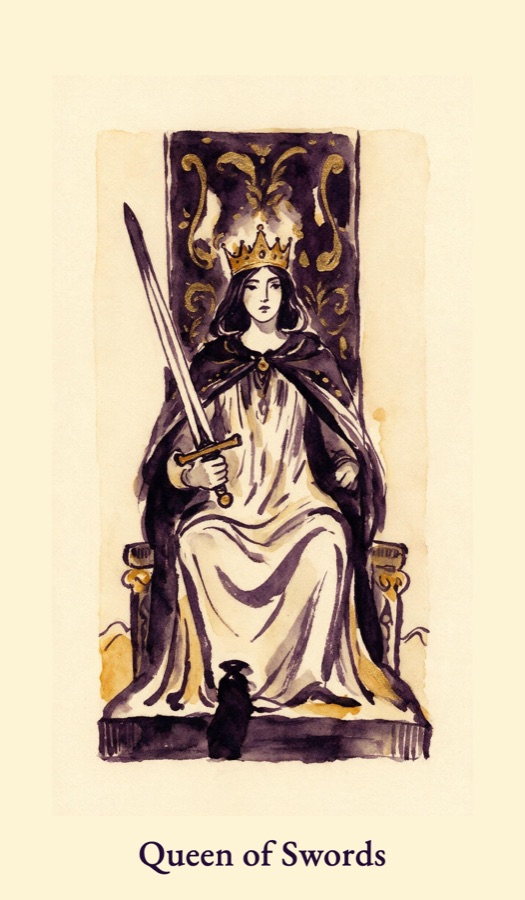
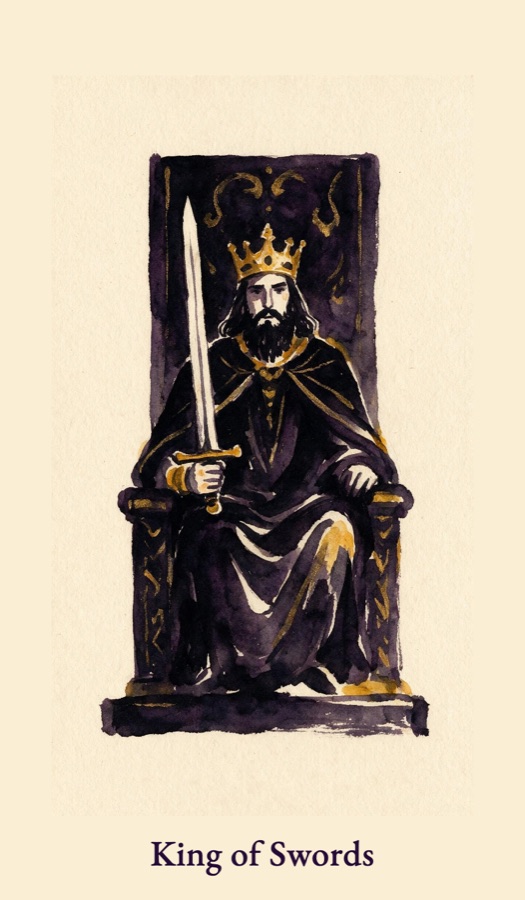
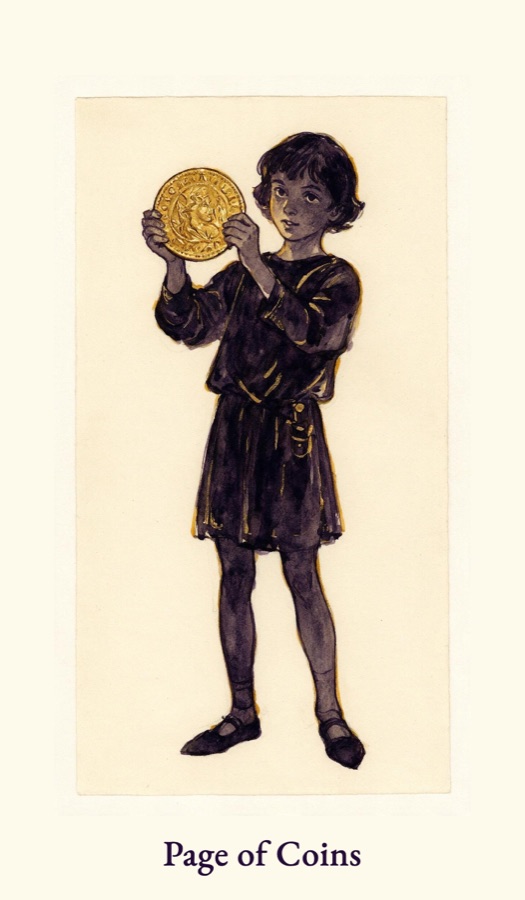
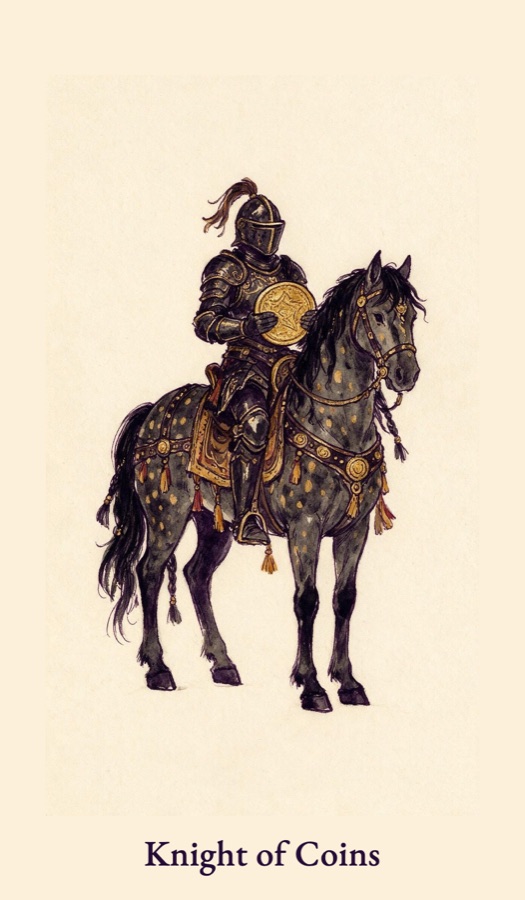
What each card carries
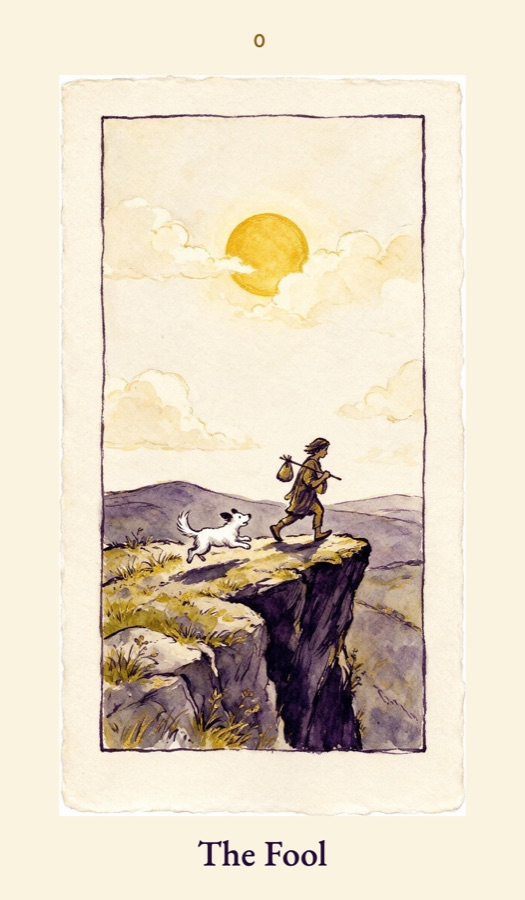
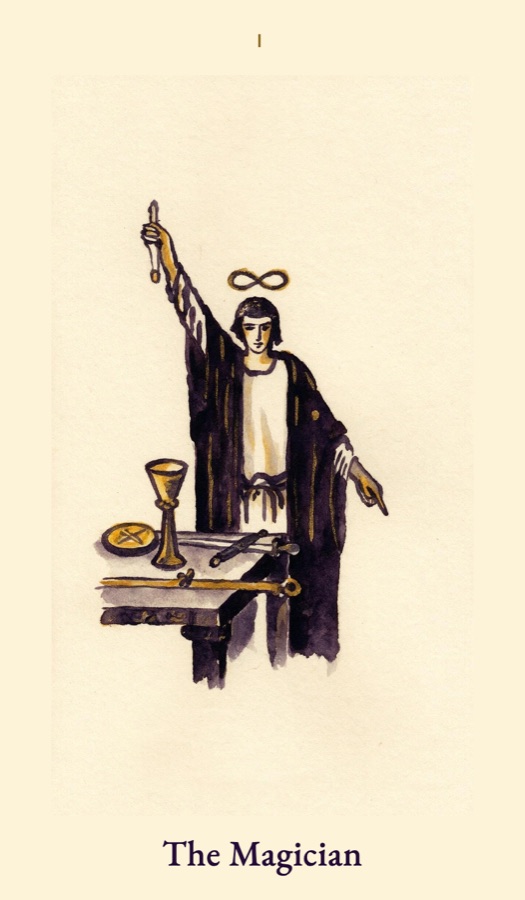
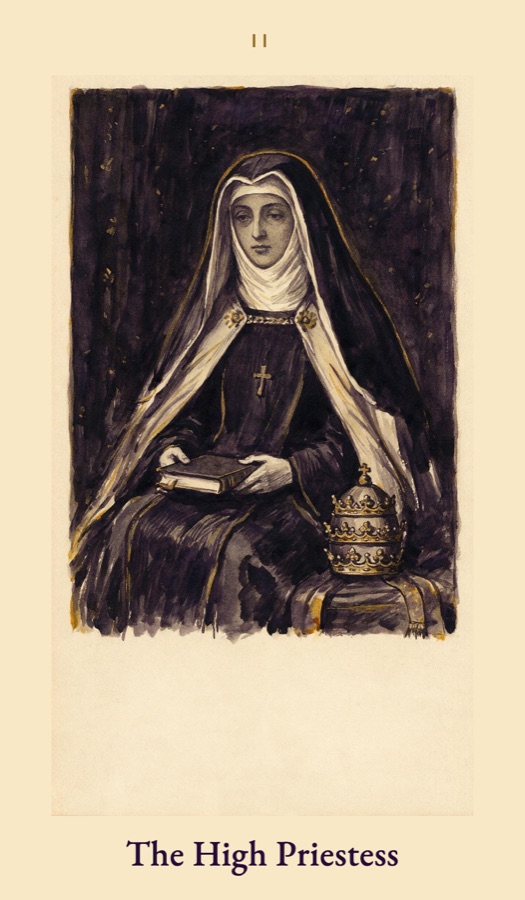
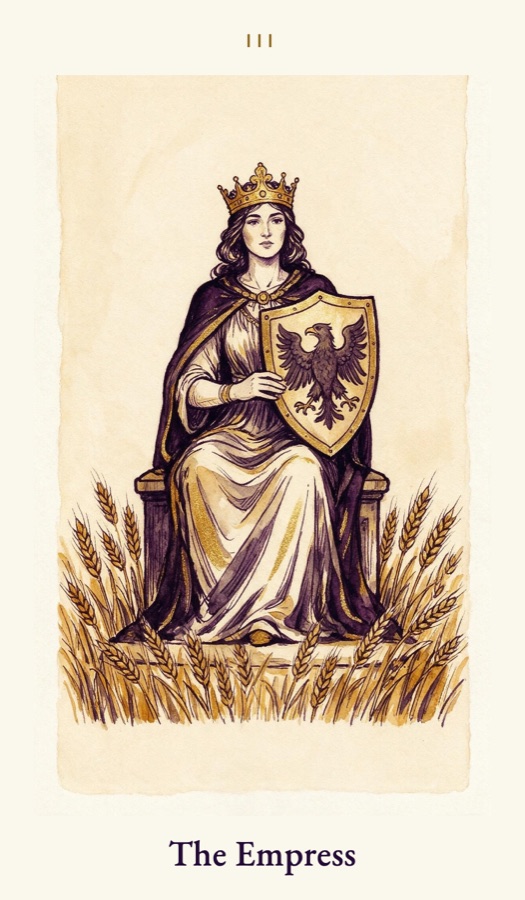
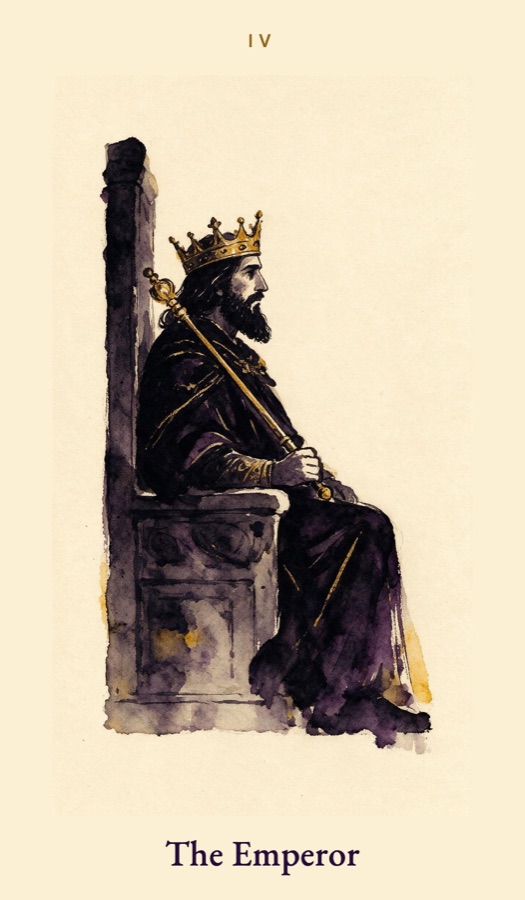
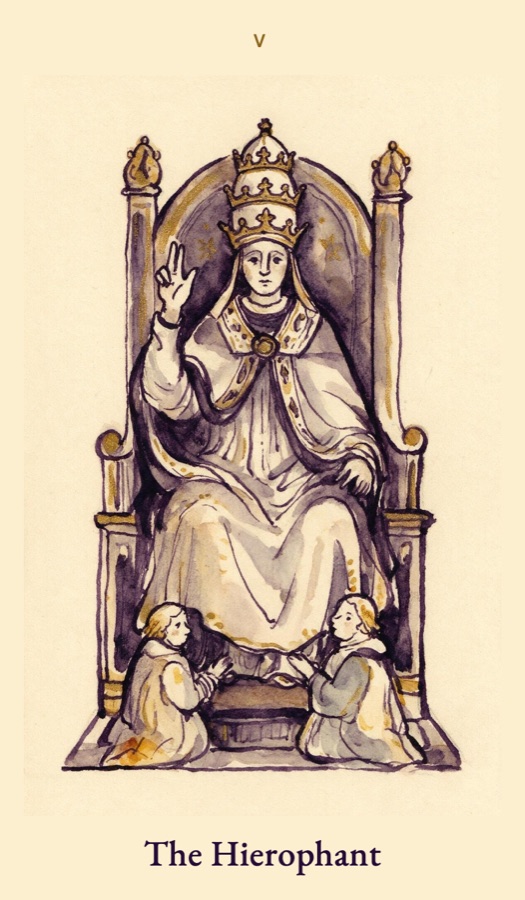
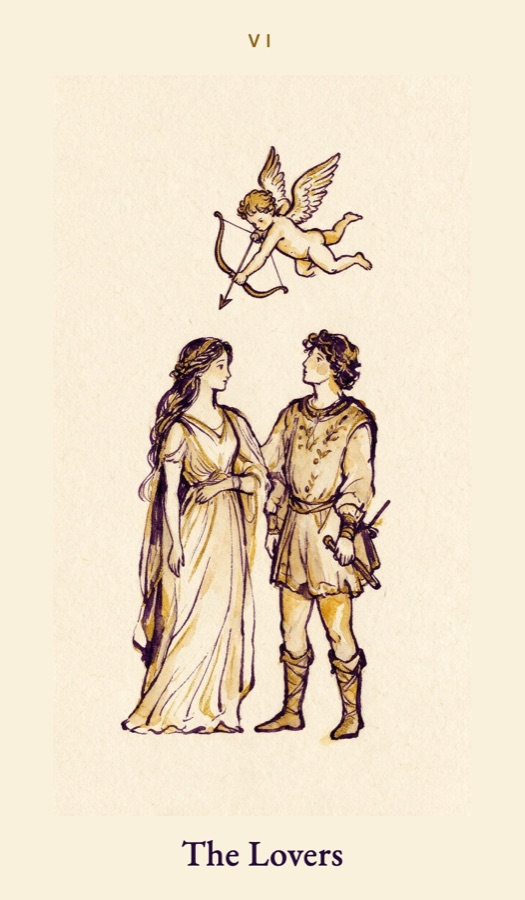
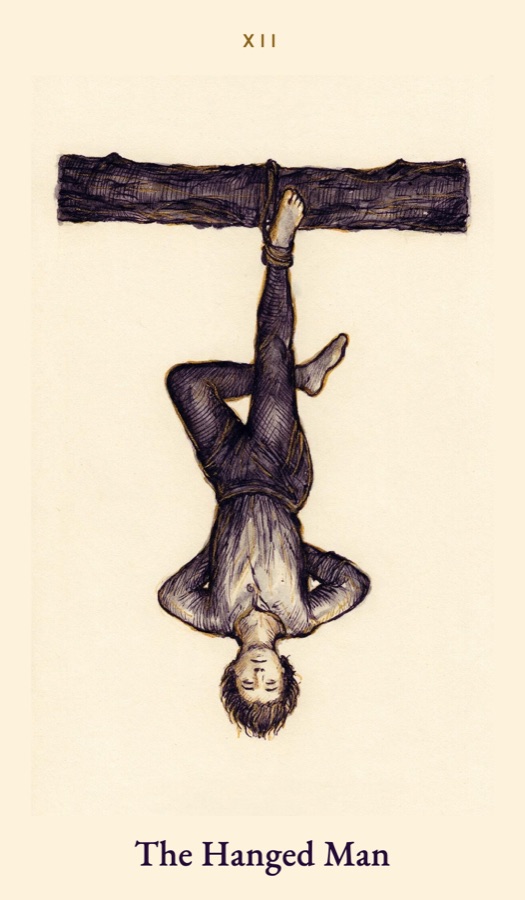
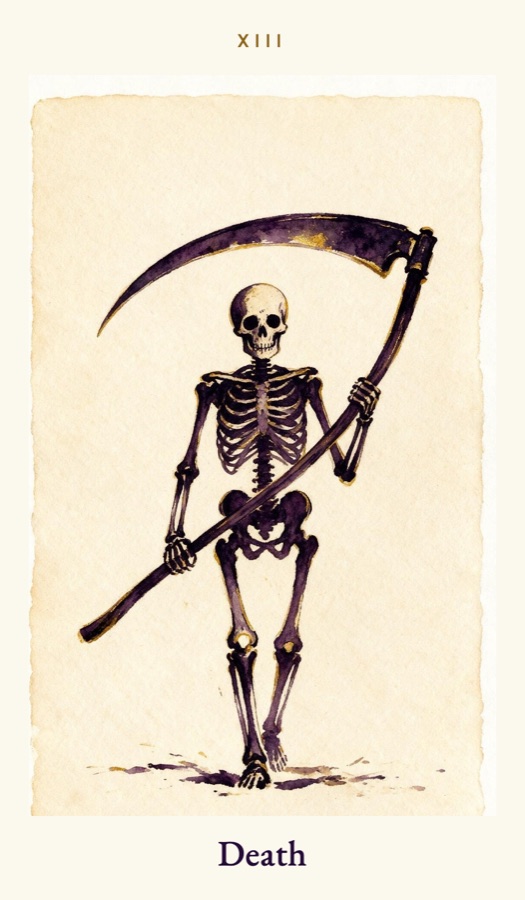
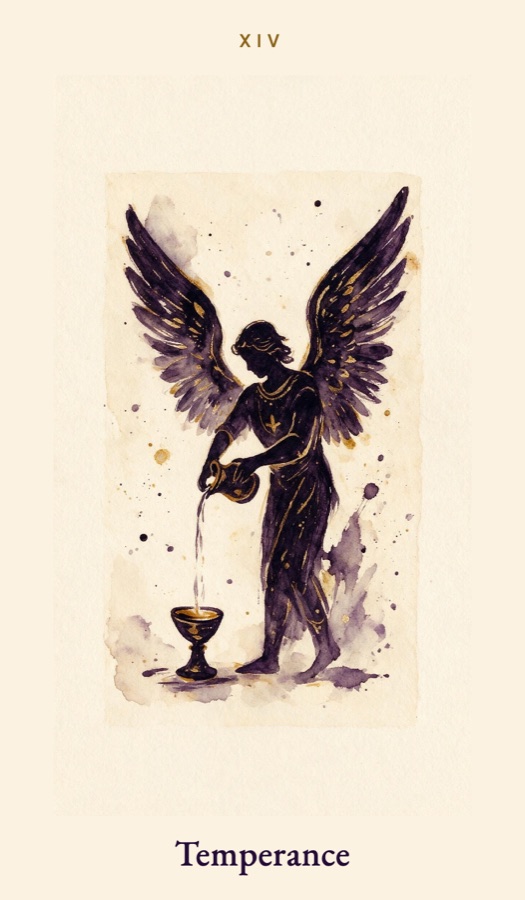
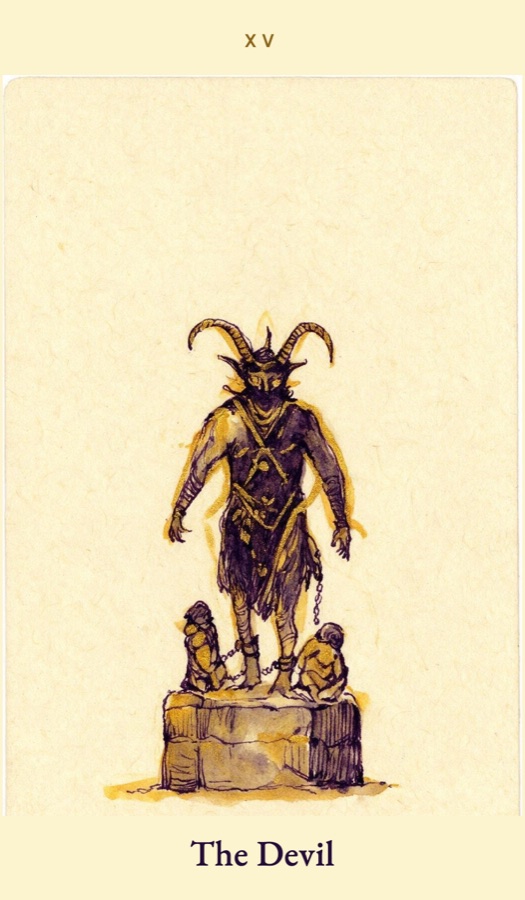
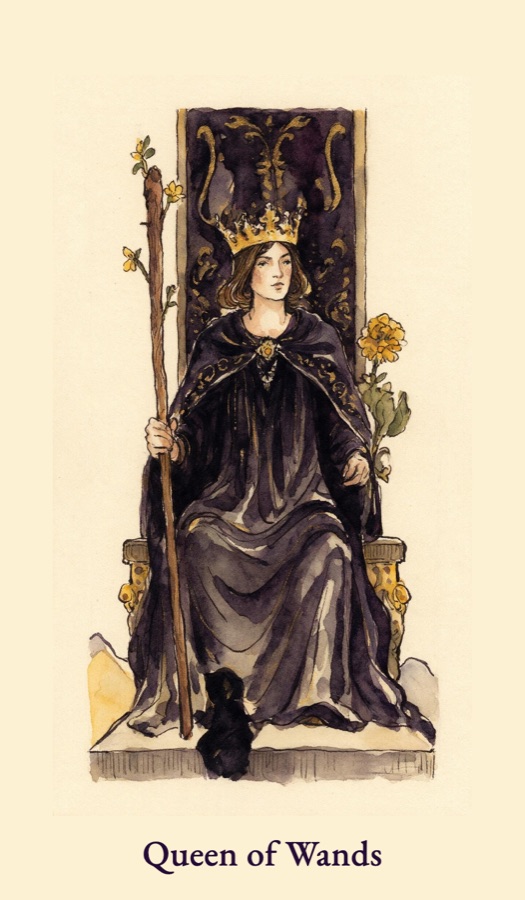
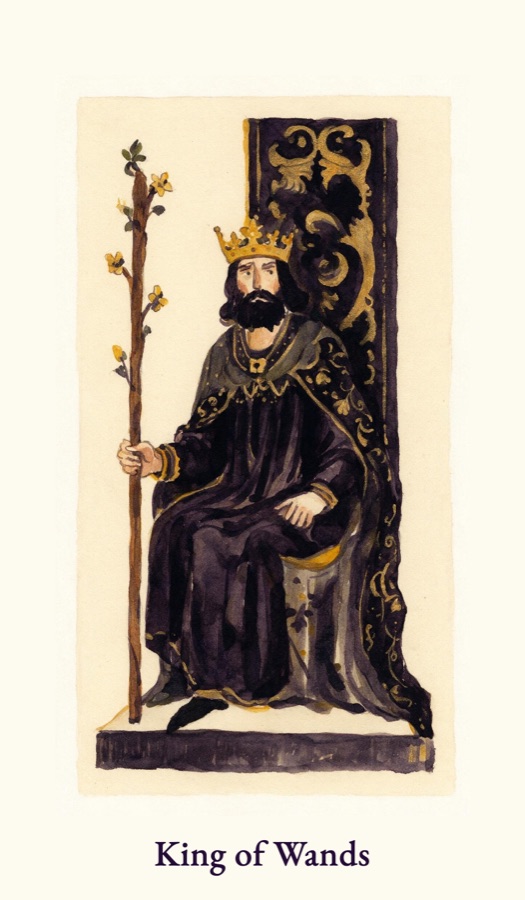
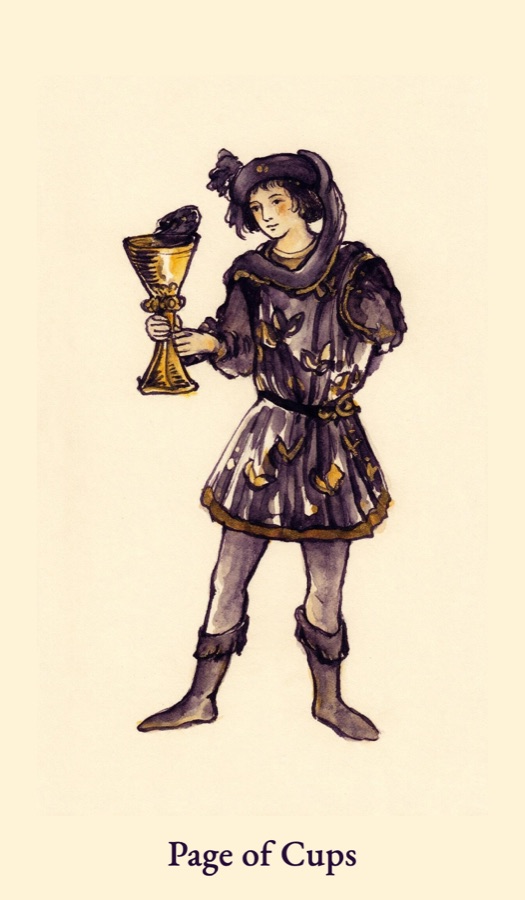
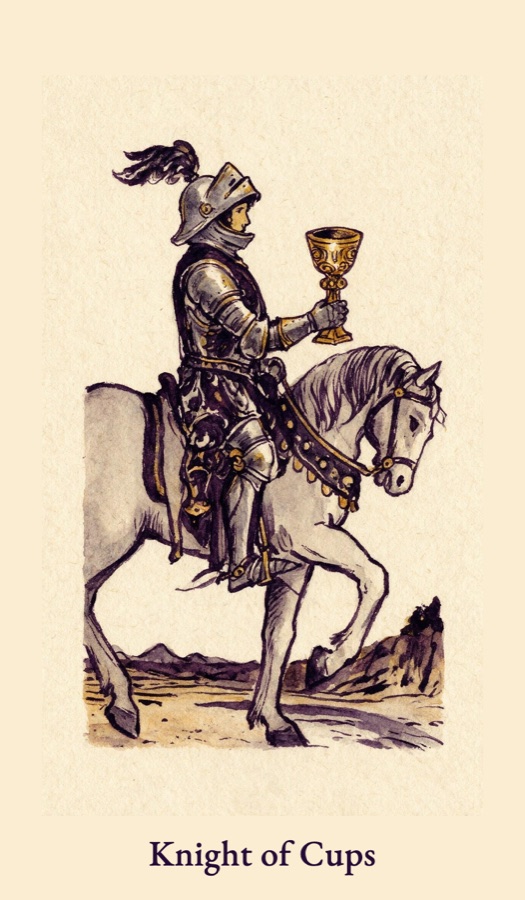
The image, drawn in the same hand as every other illustration on this site. The number. The name. Nothing else — the drawing has the face of the card to itself.
The provenance lives beside the card, not on it: the earliest attested form of each image and roughly when it takes it — Il Gobbo, c. 1450 for the Hermit, La Maison Dieu, c. 1650 for the Tower. The Devil and the Tower carry a later date for a documented reason: neither survives in the Visconti-Sforza deck.
That record is the whole difference. It removes the possibility of pretending the object is older than it is.
What it is not for
Not divination. We do not think the cards know anything about your future, and a deck sold on that promise would contradict the first page of this site.
What twenty-two images are good for is something narrower and, we think, more useful: they are twenty-two situations a person can be in. A tower coming down. A decision made at a threshold with a bundle on a stick. A man walking away from the crowd with a lamp. Drawing one at random is a way of being asked a question you would not have asked yourself — which is the same operation as the practice, performed with a picture instead of a prompt.
Where this is
Thirty-eight cards are drawn — twenty-two trumps and sixteen court figures — plus the back, the title card and the sources card. The forty numbered minor cards and the printed edition are not. This page exists so the work is visible while it is happening rather than announced when it is finished.
If you want to know when the deck is done, it will be said first in the letter.
| Scope | 22 major arcana — the trumps, not the full 78 |
|---|---|
| Format | 70 × 120 mm, the traditional tarot proportion |
| Method | Ink and watercolour illustration; numbers and names set in type, never generated |
| Drawn so far | 41 of 78 + back, title and sources |
| Provenance | Recorded for every card, beside it rather than printed on it |
Fair questions
Is this an Egyptian deck?
No, and no deck is. Tarot appears in northern Italy in the mid-fifteenth century as a trick-taking game. The Egyptian origin was invented by Antoine Court de Gébelin in 1781, four decades before hieroglyphs could be read. We say so on the cards themselves.
Can I use it for readings?
You can do what you like with it, but we are not selling it as divination and we do not believe the cards predict anything. They are a way of being handed a question at random. That is a real use and it does not require any claim about the future.
Why only 22 cards?
The trumps are where the documented Hermetic attributions actually sit, and where the images have a traceable history. The minor arcana in the Golden Dawn system is largely assigned rather than inherited, and a deck honest about its sources would have to say so on fifty-six cards.
Sources & further reading
- Michael Dummett, The Game of Tarot (1980) — the standard history of the cards as a game.
- Antoine Court de Gébelin, Monde primitif, vol. VIII (1781) — the origin of the Egyptian story.
- Israel Regardie, The Golden Dawn, 4 vols. (Aries Press, 1937–1940) — the published attributions.
- Our own page on the wider question: Tarot and Hermeticism.